There was a time in my life when I associated the word “fried” with “unhealthy”, but that time has passed. If that has you raising your eyebrows, then let me explain. Many resources point you toward “the best oil to fry with”, which mostly relies on an oil’s smoke point. But, just like with anything in our kitchen, considering the healthiest oil to fry with is a big deal.
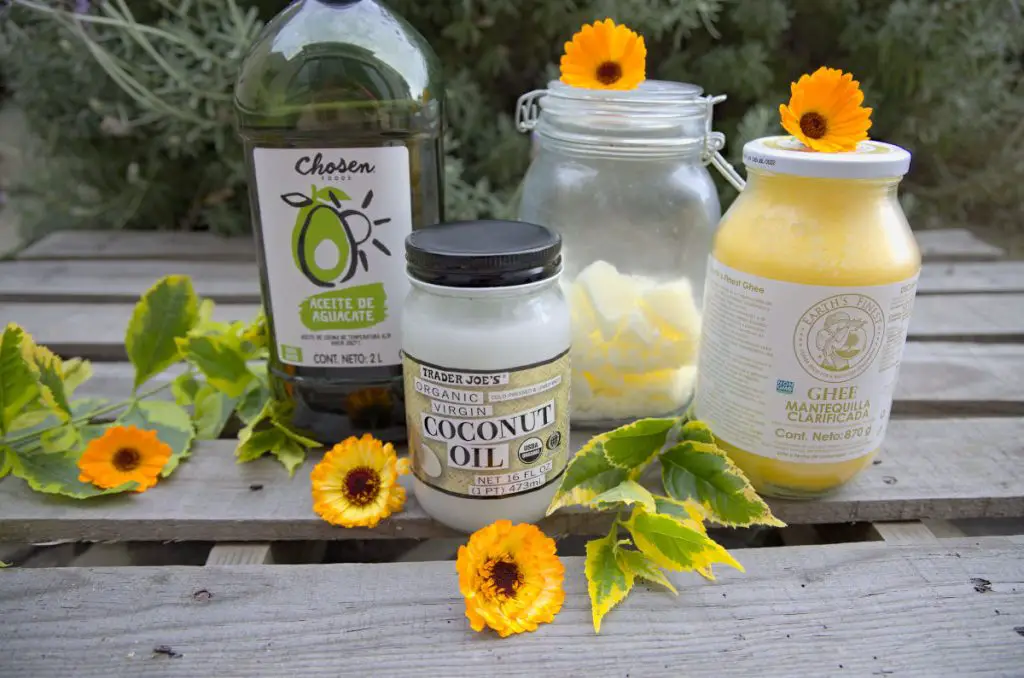
Healthiest Oils To Fry With
There seems to be a constant debate in the health world about oils and their impact on our health. It doesn’t help that fried foods have become associated with the fast food industry. The problem with that association is that most fried foods you’re getting at a restaurant are fried in cheap, refined oils that are hard for the body to process such as vegetable oils. My philosophy (in a nutshell) is to stick to less processed food in general and in that practice moderation. Don’t be scared of fat! Or don’t be TOO scared, rather. We’ll help you choose a healthy oil for frying.
What Makes A Good Frying Oil
Now, we can’t talk about what a healthy frying oil is without talking about what makes an oil good for frying in general.
High Smoke Point– The smoke point is the temperature at which an oil begins to break down and produce smoke. Having an oil with a high smoke point is essential for frying because you must bring the oil to a temperature around 350-400 degrees F for success.
Stability– Stable oils are safer for cooking at high temperatures because they resist breaking down into harmful chemical compounds at high temperatures. Oils high in saturated fats tend to be more stable.
Neutral Flavor– Depending on what you’re frying, this is something that can hold more or less weight. Oils with a neutral flavor won’t impart strong tastes to the food being fried.
Cost– This can be a huge factor for many. Before I discovered how to make my own beef tallow AND how to store my oil after frying for further use, the cost of oil definitely kept me from many recipes I love today. You’ll want to find something cost-effective for your budget.
Some tools you might want to invest in before beginning your deep frying journey include:
- A heavy-duty high pot with high sides like this dutch oven
- A spider strainer or slotted spoon: we love the spider strainer
- A candy or instant-read thermometer: a candy thermometer that clips onto your pot is useful or a high-quality instant-read thermometer like this is fast & accurate
- A funnel & coffee filter for filtering & saving your oil or this handy all-in-one funnel & filter
Oils To Avoid
If you can steer clear of these vegetable and seed-based oils, your body will thank you. The goal is to use oils that are less processed and less inflammatory.
- Canola oil
- Corn oil
- Soybean oil
- Rapeseed oil
- Peanut oil
- Sunflower oil
- Safflower oil
Avocado Oil
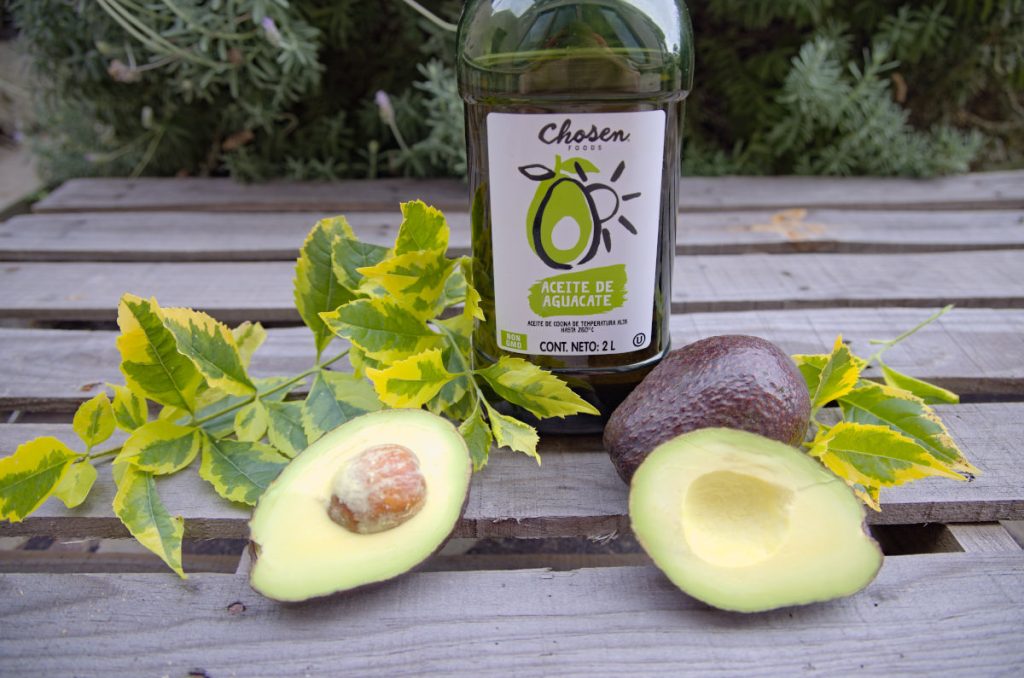
Avocado oil is a cooking oil extracted from the pulp of avocados. It is rich in monounsaturated fats, particularly oleic acid, which is associated with various health benefits. It has a high smoke point of 520°F (270°C) and has a relatively neutral flavor with a slightly nutty taste. It’s a great choice for frying.
Coconut Oil
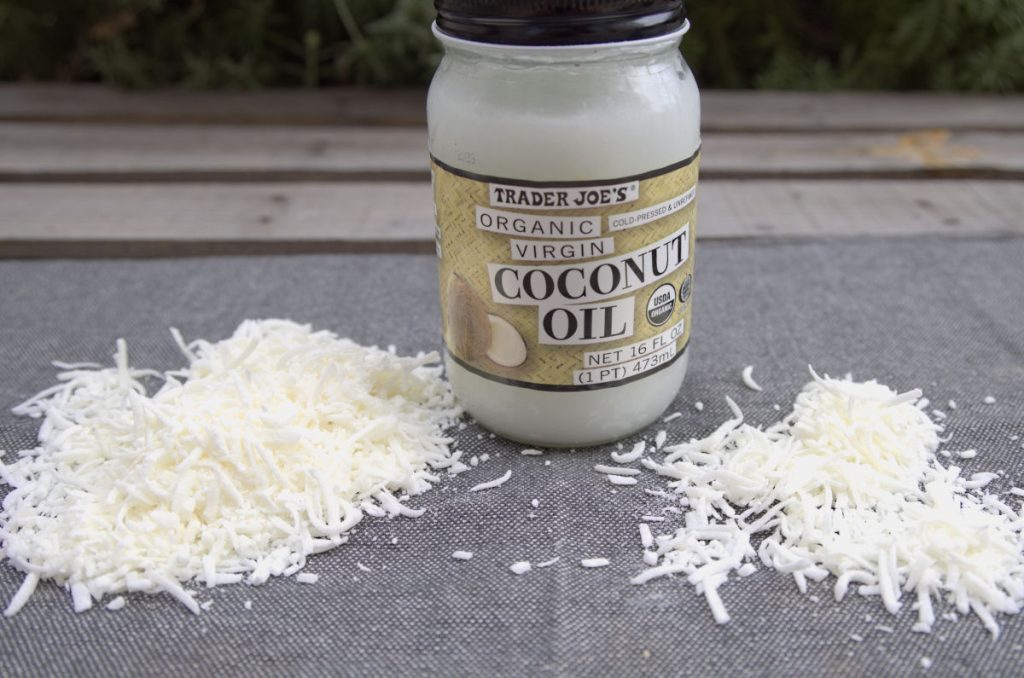
Coconut oil is a versatile cooking oil extracted from the meat of mature coconuts. It is known for its unique composition of fatty acids, particularly a high concentration of saturated fats. It has a high smoke point, typically around 400 degrees F. Coconut oil imparts a distinct, pleasant flavor to fried foods, so use it in situations where the taste of coconut would complement the overall flavor profile.
Grass-Fed Ghee
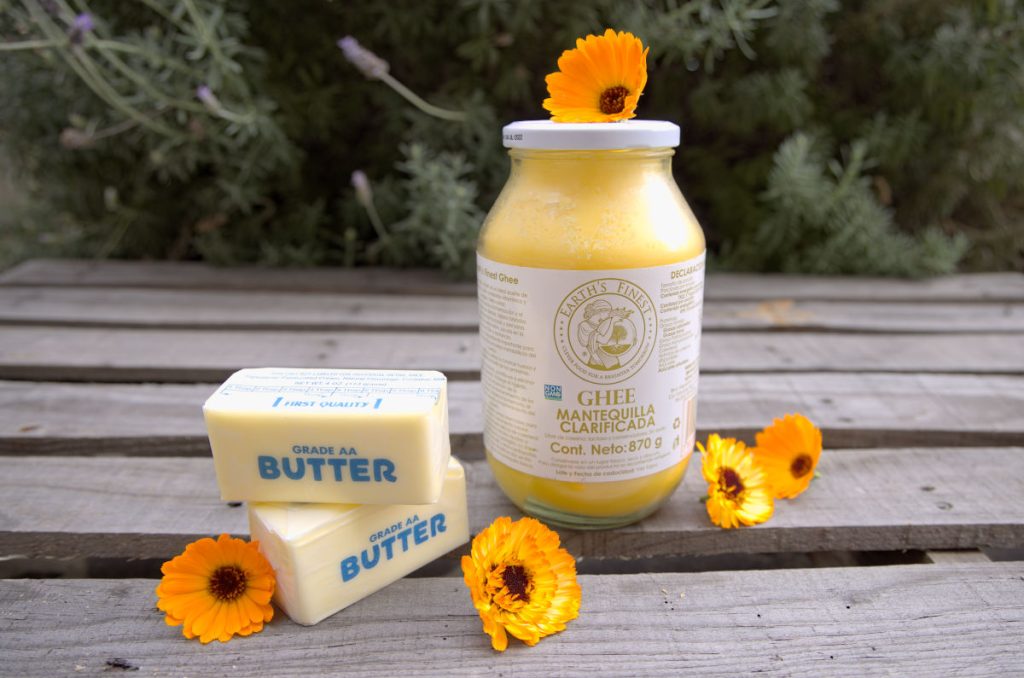
While it might seem like an expensive option, it is also an option you can make at home. If you have access to reasonably priced butter, ghee might be the cooking oil for you. Ghee is a form of clarified butter that has been used in cooking for centuries. It is made by simmering butter to remove water content and milk solids, leaving behind the pure butterfat. Ghee has a rich, nutty flavor and a high smoke point of around 450 degrees F. It’s a source of fat-soluble vitamins like A, E, and D, which are essential for various bodily functions.
Beef Tallow

My favorite frying oil is beef tallow! If you have access to a butcher, this could even be a free option. We get beef suet from our butcher for free and render it down into tallow for use as an all-purpose cooking oil in our kitchen. It has been used traditionally as a cooking fat and is known for its high smoke point of around 450 degrees F and stability at high temperatures. Ideally, choosing grass-fed or pasture-raised animal fats may provide a better nutrient profile compared to fats from conventionally raised animals.
*These are oils we love to use in our home, and none of this should be taken as medical advice. If you have health concerns, please continue your research and consult with a specialist if necessary.
FAQs (Frequently Asked Questions)
Extra virgin olive oil only has a moderate smoke point, so it is unsuitable for frying at high temperatures.
Yes! Oils with a higher smoke point and better stability can be reused if filtered and stored properly.
While excessive intake of saturated fats could be associated with health concerns, the saturated fats in the above oils are considered to have health benefits.
Health-Conscious Recipes
Looking for more ways to eat healthier? Natural sugars are a great route to take when sweets are concerned.

This was one of the best articles yet. Older people are concerned about saturated fats. We don’t fry that much and when we do at low temps and when we do it is pan frying. The fat I would choose is avocado oil. I think many people have health concerns regarding saturated fats. I use canola oil as an alternative to olive oil because of the low smoke point of olive oil.
Glad to hear it’s helpful!